Research
My broad research interests lie in data mining and machine learning, especially in user-centric ML, explainability, and fairness. I am especially interested in scenarios where automated systems must support, rather than replace, human decision-making. The core themes with example projects can be seen below.
Core themes
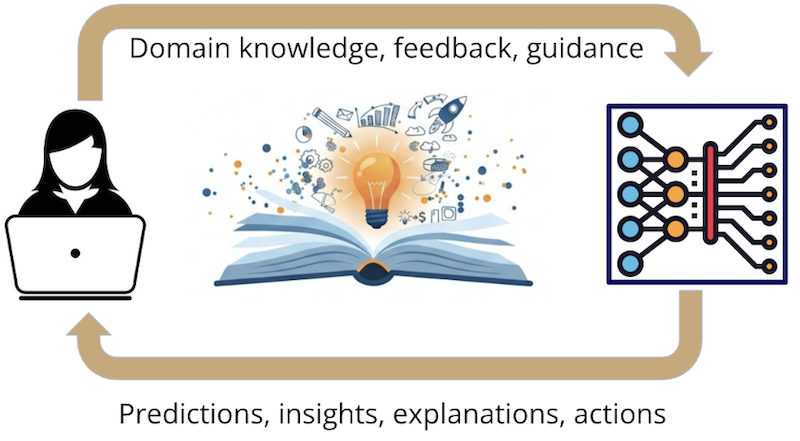
Human-in-the-loop and explainable ML
I develop learning paradigms that incorporate domain knowledge and expert feedback to improve model performance, trust, and adaptability over time while providing human-understandable explanations for their decisions.
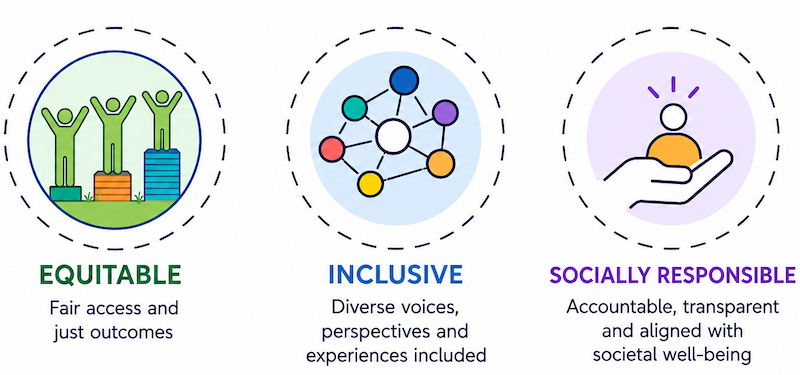
Fair and Inclusive ML
My primary goal is to develop algorithms that make data-driven systems more equitable, representative, and socially responsible. Building on my work in fair graph clustering and diversity-aware optimization, I study how fairness and diversity constraints can be integrated into machine learning and network analysis methods while preserving predictive utility, structural quality, and practical applicability.
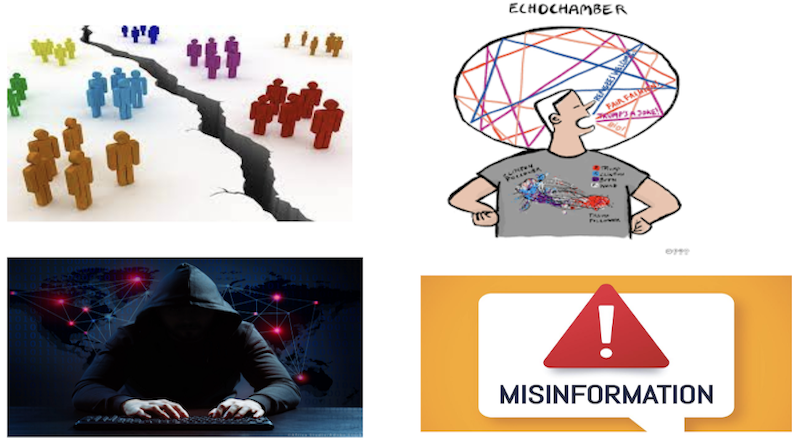
Algorithmic Safety
I integrate computational models with social science principles to analyze and interpret large-scale human behaviors on social platforms and online media. I specifically focus on discovering and mitigating digital vulnerabilities in our increasingly interconnected world, particularly issues like misinformation, online polarization, and radicalization.

Anomaly Detection
My research in anomaly detection focuses on identifying unusual, rare, or emerging patterns in various types of complex data, including tabular data, time-series, images and graphs. I am particularly interested in contextual anomaly detection, where anomalies may only become visible under the right conditions. I also integrate the ML principles listed above, such as interpretability and human-in-the-loop learning, to make anomaly detection methods user-centric and practical in real-life.